-
Acacia Passage

Garden
Acacia Passage
From the pendulous branches of the Acacia leprosa, puffs of sunny yellow emerge in February and March—offering a very welcome burst of optimistic color and fragrance amidst winter’s muted tones.
-
Bonsai Courtyard
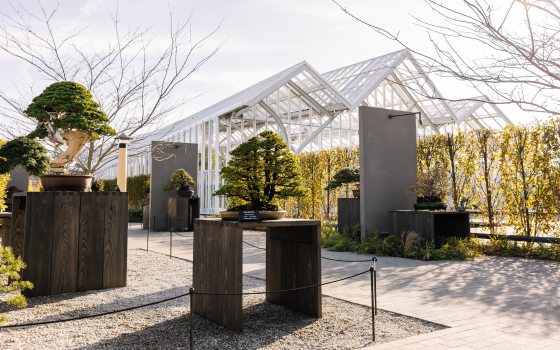
Garden
Bonsai Courtyard
Contemplate the interconnectedness of art, nature, and perseverance as you wander this 12,500 square-foot garden featuring a ever-changing display of miniature trees. Selections of great rarity, ancient beauty, and vibrant seasonal interest are thoughtfully curated and displayed, inviting guests to slow down and take in the meticulous details.
-
Cascade Garden
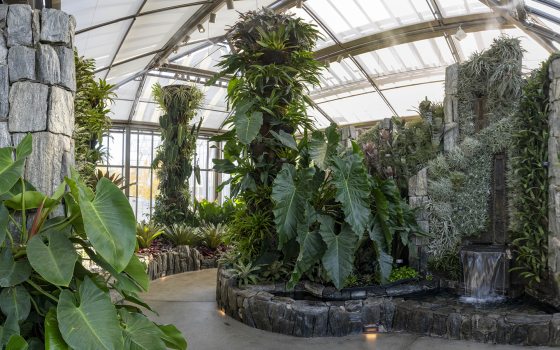
Garden
Cascade Garden
Inspired by an equatorial coastal rainforest, elemental simplicity reigns in the sole North American garden design by esteemed 20th-century landscape architect, artist, and activist, Roberto Burle Marx (1904-1994). A profusion of plants, water, and stone come together to envelop the senses, immersing you in a verdant mosaic of lush splendor.
-
East Conservatory
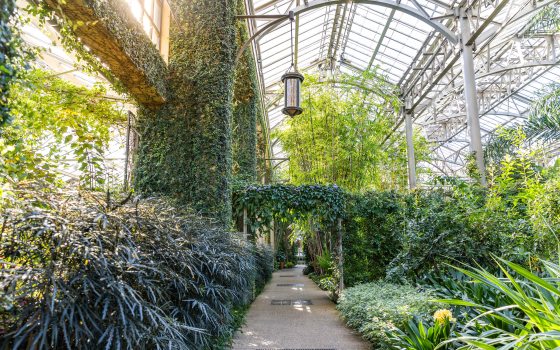
Garden
East Conservatory
Experience an unparalleled sensory journey through lush plantings, soaring classical architecture, and tranquil water features, including waterfalls, pools, and fountains under a half-acre of glass.
-
East Conservatory Plaza
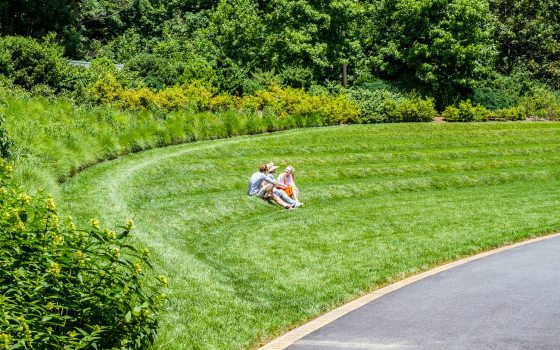
Garden
East Conservatory Plaza
A feat of artistic vision and expert engineering, five tiers of sweeping, grass-covered terraces emerge like steps from the land, providing a grand transition from the forest to the Conservatory.
-
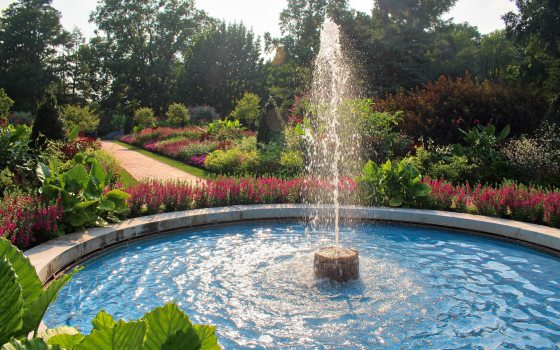
Flower Garden Walk & Compartment Gardens
Garden
Flower Garden Walk & Compartment Gardens
In Pierre S. du Pont’s very first garden at Longwood, 600 feet of dazzling hues of orchestrated botanical forms will take your breath away in one of our most popular (and photographed!) gardens.
-
Forest Walk

Garden
Forest Walk
Wander paths in a realm of scenic, intimate woodland beauty, shaded by soaring tulip-trees and the canopy of other deciduous hardwoods. Don’t miss two of our famed treehouses for a squirrel’s eye view into sylvan serenity.
-
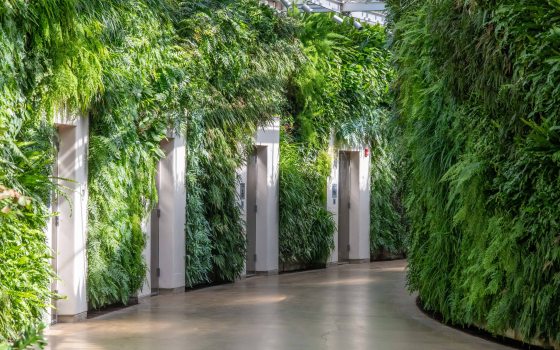
Green Wall
Garden
Green Wall
When nature calls, don’t miss this fern-laden glen of lush, vertical vegetation planted along 4,000 square feet. At the end of the hallway, a circular reflecting pool of marble awaits your gaze.
-
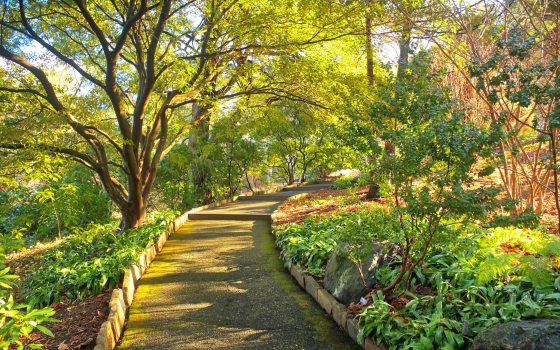
Hillside Garden
Garden
Hillside Garden
Dappled sun flirts with open vistas and shady, intimate perspectives as you wander the paths past beds brimming with a who’s who of rare and unique plants from around the world, set to the occasional tones of the historic Chimes Tower.
-
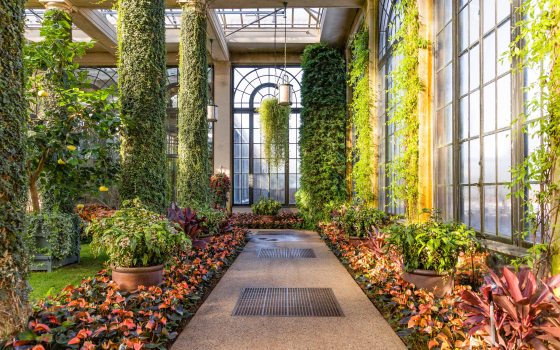
Historic Main Conservatory
Garden
Historic Main Conservatory
In this ever-changing indoor space of perpetual bloom and uncommon, elegant beauty, familiar specimens flourish alongside mature trees and hanging baskets of intricately grown flowers, while a sunken marble pool and lush green lawns beckon.
-
Idea Garden
Garden
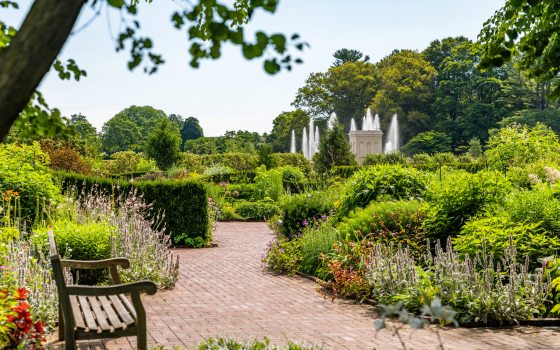
Idea Garden
Horticultural inspiration comes closer to home in this inspired and beloved garden, where educational, experimental approaches to gardening and design are explored using plant varieties that can be reliably grown by home gardeners in the mid-Atlantic region.
-
Indoor Children’s Garden
Garden
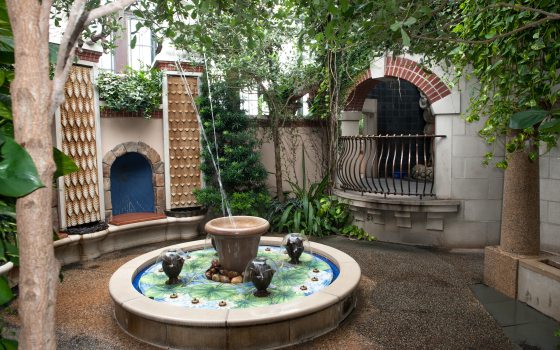
Indoor Children’s Garden
Let your kids get lost in a lush jungle of draping vines, drooling dragons, and secret stairways. Take a breather on a nearby bench as they shake their sillies in this whimsical realm of discovery.
-
Italian Water Garden
Garden
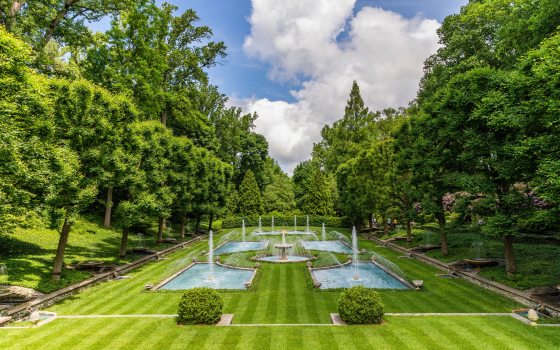
Italian Water Garden
Enclosed by pristine allées of littleleaf lindens and mature evergreens, this formal space, with its symmetrical blue-tiled pools and splashing fountains, offers the allure of a secret garden.
-
Large & Small Lake
Garden
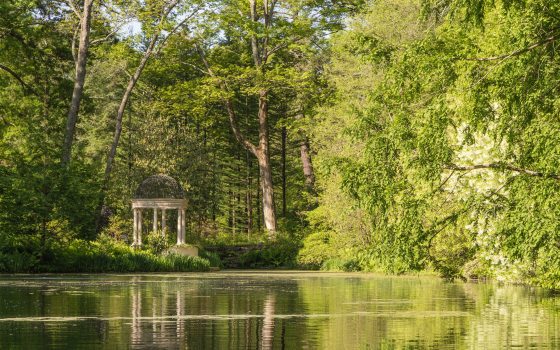
Large & Small Lake
Take in the expansive views of rolling green lawns, midnight-blue water, and trees that reach for the sky. Nearby Cathedral Canopy Treehouse offers a chance for inspired exploration and new-found vistas.
-
Main Fountain Garden
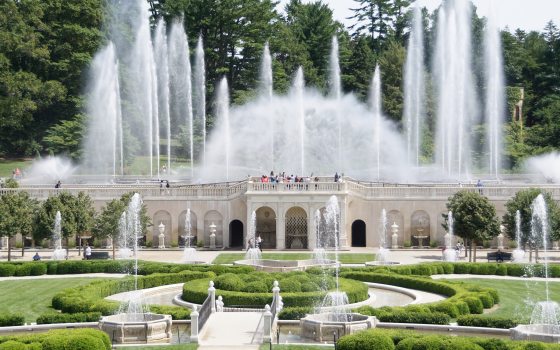
Garden
Main Fountain Garden
Splendor awaits in this European-inspired, world-class destination: think classic garden design, extravagant theater, astounding choreography, a spectrum of color, musical accompaniment, and, on special occasions, fireworks!
-
Meadow Garden
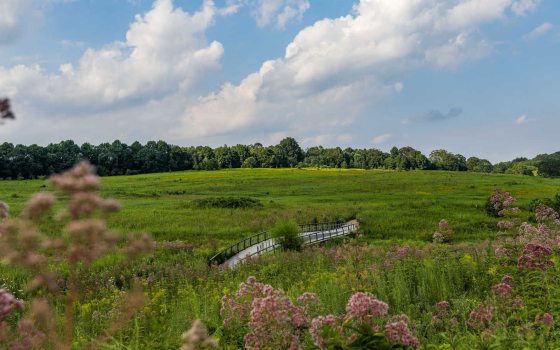
Garden
Meadow Garden
Enjoy expansive vistas, sweeps of stunning native plants, and a tapestry of texture as you wander miles of trails past carefully managed wetlands, ponds, open fields, and the forest’s edge, set to the hum of busy insects and rustling plants.
-
Oak and Conifer Knoll
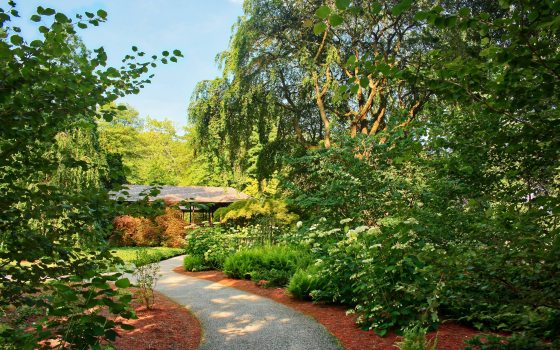
Garden
Oak and Conifer Knoll
Towering, century-old trees and sun-dappled vistas await in this living gallery of champion specimens with four seasons of stunning highlights. In the early spring, sweeps of colorful geophytes bloom to create a stunning tapestry.
-
Open Air Theatre & Theatre Garden
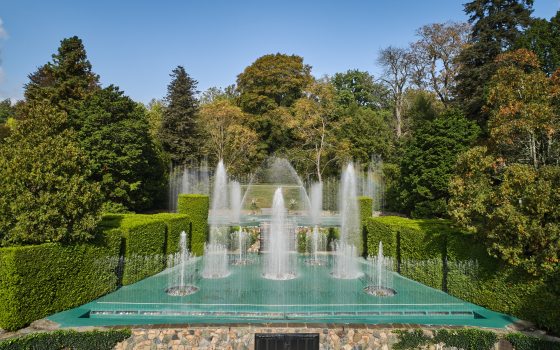
Garden
Open Air Theatre & Theatre Garden
Framed by a canopy of towering trees and clipped arborvitae, this Italian-style, outdoor garden theater has come alive with countless performances of every kind since its debut in 1914, and features fountain performances throughout the day.
-
Orchid House
Garden
Orchid House
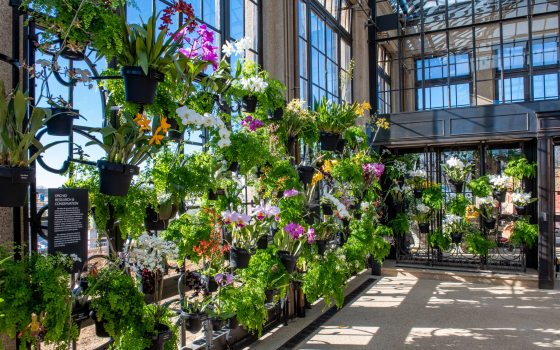
Our new Orchid House is an open, gallery-like space with a new glass roof and restored interior and exterior concrete. Hundreds of orchids displayed in custom frame trellises and our restored bronze case showcase the beauty and diversity of our renowned orchid collection.
-
Peirce’s Park
Garden
Peirce’s Park
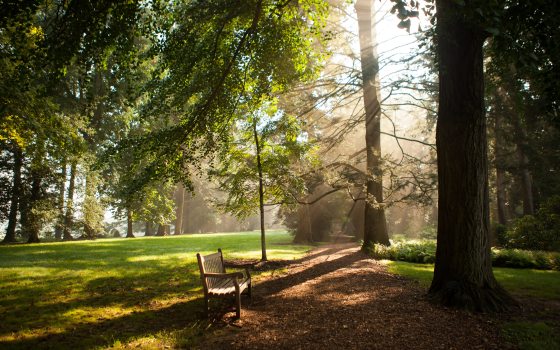
Home to two notable allées of stately and spectacular trees, this area is where Longwood’s story begins. Enjoy woodland wildflowers and soaring tree specimens, many of which are more than 100 years old.
-
Peirce-du Pont House
Garden
Peirce-du Pont House
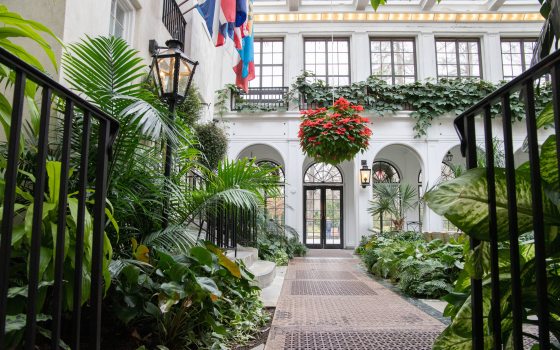
Step back in time for a glimpse into the lives of the du Ponts and the Peirce family at one of the oldest buildings at Longwood. Not to be missed: a Monstera deliciosa vine that’s been there since the mid-1900s.
-
Peirce’s Woods
Garden
Peirce’s Woods
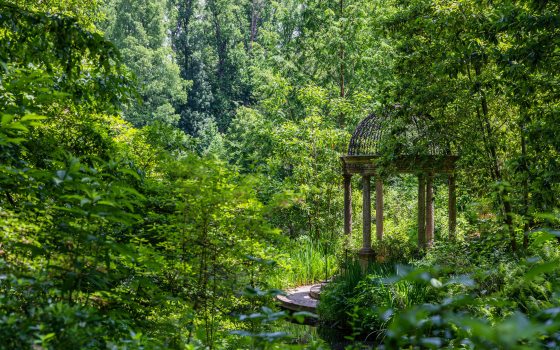
This award-winning woodland garden, designed by W.Gary Smith, showcases mighty oaks, ashes, maples, and tulip-trees that tower over 200 species of native plants and cultivars, offering seasonal interest from spring through fall.
-
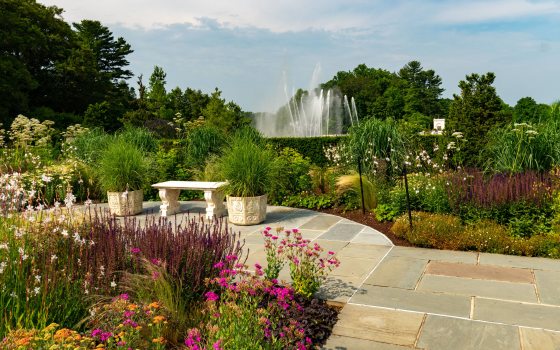
Rose Garden
Garden
Rose Garden
Striking colors, heady fragrances, and soft textures bud, bloom, and sway harmoniously from spring through fall, providing countless ways to celebrate the rose—and her many beautiful friends.
-
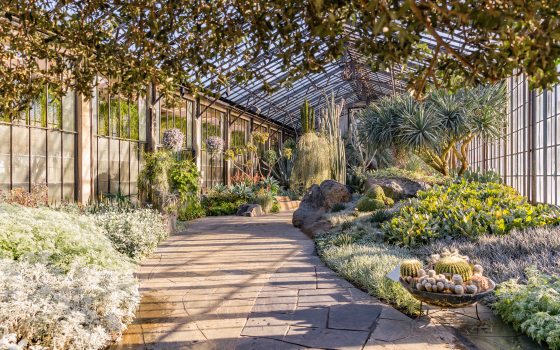
Silver Garden
Garden
Silver Garden
Designed by Isabelle Greene, a meandering pathway of slate snakes through rocky outcroppings of spiky, textural plants in otherworldly hues of platinum, cool green, and soft blue.
-
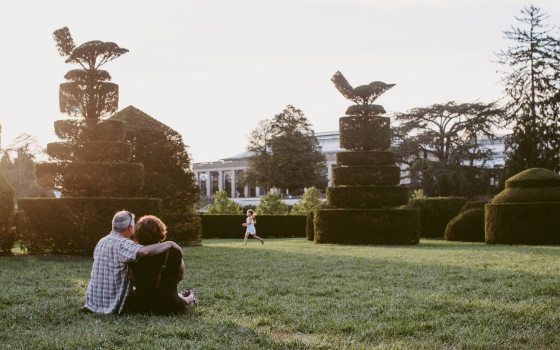
Topiary Garden
Garden
Topiary Garden
From playful bunnies to fanciful spirals, you’ll find more than 35 specimens of meticulously maintained, highly cultivated yews (as well as spirited games of hide and seek) in our Topiary Garden.
-
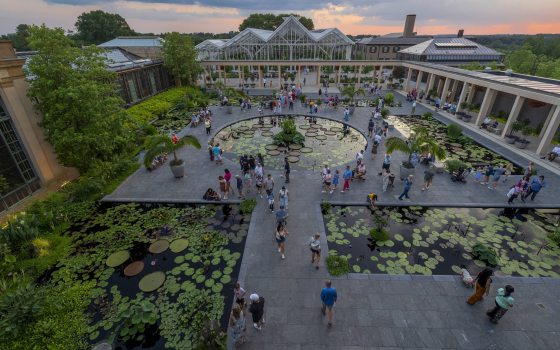
Waterlily Court
Garden
Waterlily Court
On View Now
Showcasing aquatic plants from around the world, including South American water-platters and tropical waterlilies, this space invites an otherworldly experience of visual splendor and tranquility as you explore our stunning Conservatories. -
West Conservatory
Garden
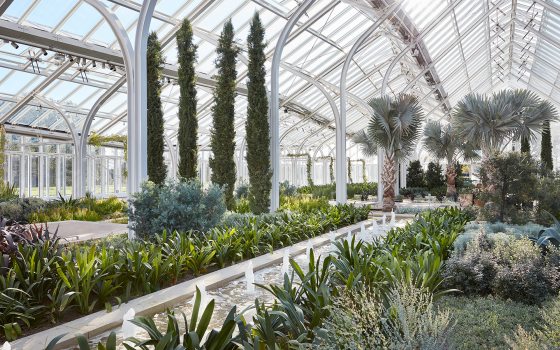
West Conservatory
A realm of unimaginable beauty and tranquility awaits beneath a soaring crystalline structure of contemporary design. Seemingly afloat atop sleek pools of water, airy pathways meander through colorful gardens inspired by the sun-kissed, Mediterrean regions of the world.
-
West Conservatory Plaza
Garden
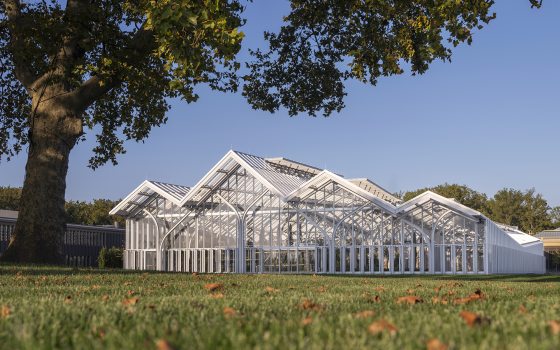
West Conservatory Plaza
A sweeping terrace offers picturesque views for which the Brandywine Valley is renowned. Meandering pathways lead guests to expansive vistas, including a stand of 19th century sycamores and rolling, open meadows, marrying the native landscape with contemporary architecture.