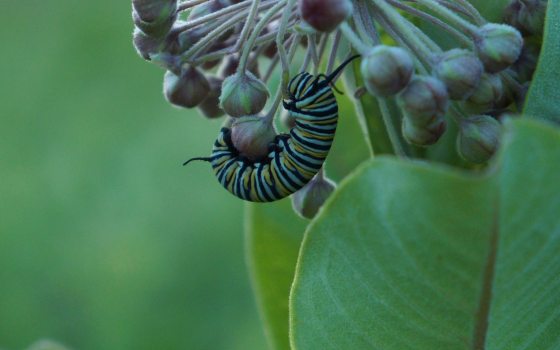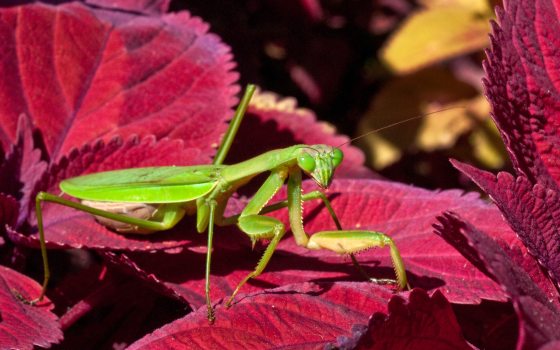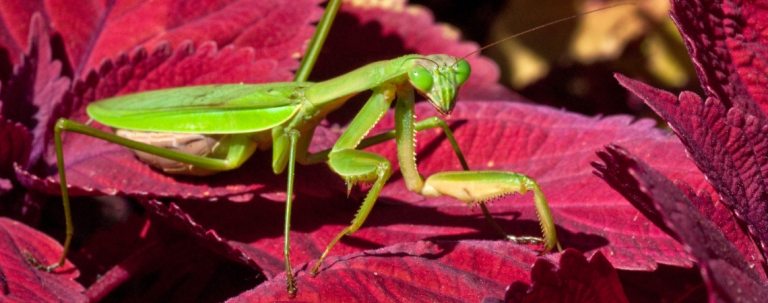
We use integrated pest management strategies when managing pests, including the use of beneficial insects.
Integrated Pest Management is a philosophy that guides us as we address plants and wildlife that threaten the Gardens and natural lands.
Through a proactive approach, Longwood uses a robust scouting program, custom management plans for specific pests and incoming invasives, as well as cultural and biological control methods for landscape, conservatory, and greenhouse environments. Longwood’s goal is to always use the safest method and to avoid chemical use whenever possible.
Four Strategies for Managing Pests
There are several proven practices we use—either alone or in combination—for managing pests. They include:
- Physical or mechanical control-methods include deer fencing, pulling weeds, or squashing bugs
- Cultural control-encourages the growth of healthy plants by providing them with ideal growing conditions
- Biological control-draws upon the natural predatory instincts of certain species to control pests (i.e, Longwood cats for mice or lace wings for aphids)
- Chemical control-used when other forms of pest management fail. Chemicals are selected based upon their proven effectiveness to eradicate only the pest at large and staff members use application methods that reduce toxicity but are still effective.