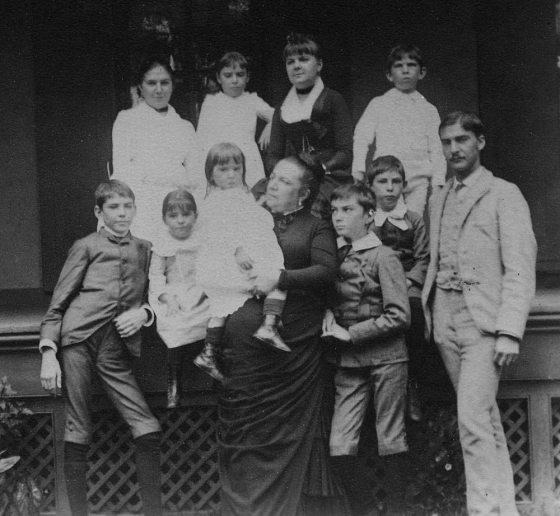
Pierre S. du Pont was born in 1870 in a DuPont Company house overlooking the Brandywine Creek just north of Wilmington, Delaware. His early years were influenced by the area’s natural beauty and by the du Pont family’s long tradition of gardening. But not even Pierre himself could have predicted that he would someday become one of the country’s most influential gardeners.
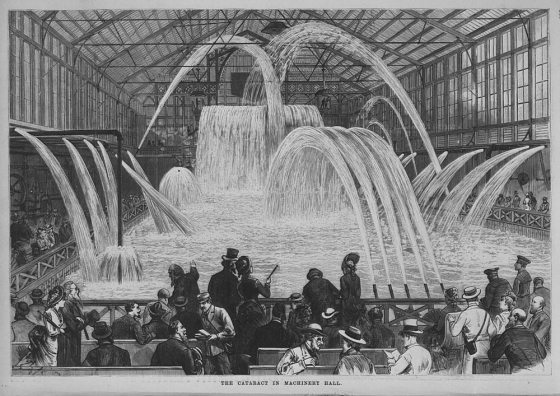
While he always preferred to live amid the quiet, familiar beauty of the Brandywine Valley, Pierre was greatly influenced by his frequent travels around the globe. He attended several world’s fairs and expositions, where he was astounded by grand architecture and the latest technology, including the huge display of water pumps at the 1876 Centennial Exposition in Philadelphia and illuminated fountains at the 1893 World's Columbian Exposition in Chicago.
While traveling, he was also exposed to a wide variety of garden settings, including Horticultural Hall at the 1876 Centennial, England's Sydenham Crystal Palace, the Royal Botanic Gardens at Kew and the flora of South America, the Caribbean, Florida, California and Hawaii. Visits to Italian villas and French châteaux focused on the architectural qualities and water effects of those gardens.
In addition to his travels, Pierre also built an impressive record of success in corporate America. This success brought great wealth and he felt great responsibility to use it wisely. Pierre and his wife Alice gave generously to public schools, universities, and hospitals. But gardening remained his lifelong passion.
At the age of 36, Pierre bought the Peirce farm and soon began creating what would become Longwood Gardens. He followed no grand plan; rather, he built the gardens piecemeal, beginning with the “old-fashioned” Flower Garden Walk. His later gardens would draw heavily on Italian and French forms.
Many generations helped create Longwood Gardens, but Pierre du Pont – industrialist, conservationist, farmer, designer, impresario, and philanthropist – was to make the most enduring contribution.